
Sgurr Dearg Summit

Explore One of the Mountains in the UK: Sgurr Dearg Guide

986m Height (3235ft)
Hard Difficulty
57.2161°N, 6.2286°W

Introduction to Sgurr Dearg

Sgurr Dearg is one of the notable mountains in the UK, known for its unique landscape, scenic routes, and natural beauty. Whether you're searching for popular mountains to climb UK, planning your first summit, or exploring the best mountains to climb UK, this guide covers everything you need to know to plan your adventure.

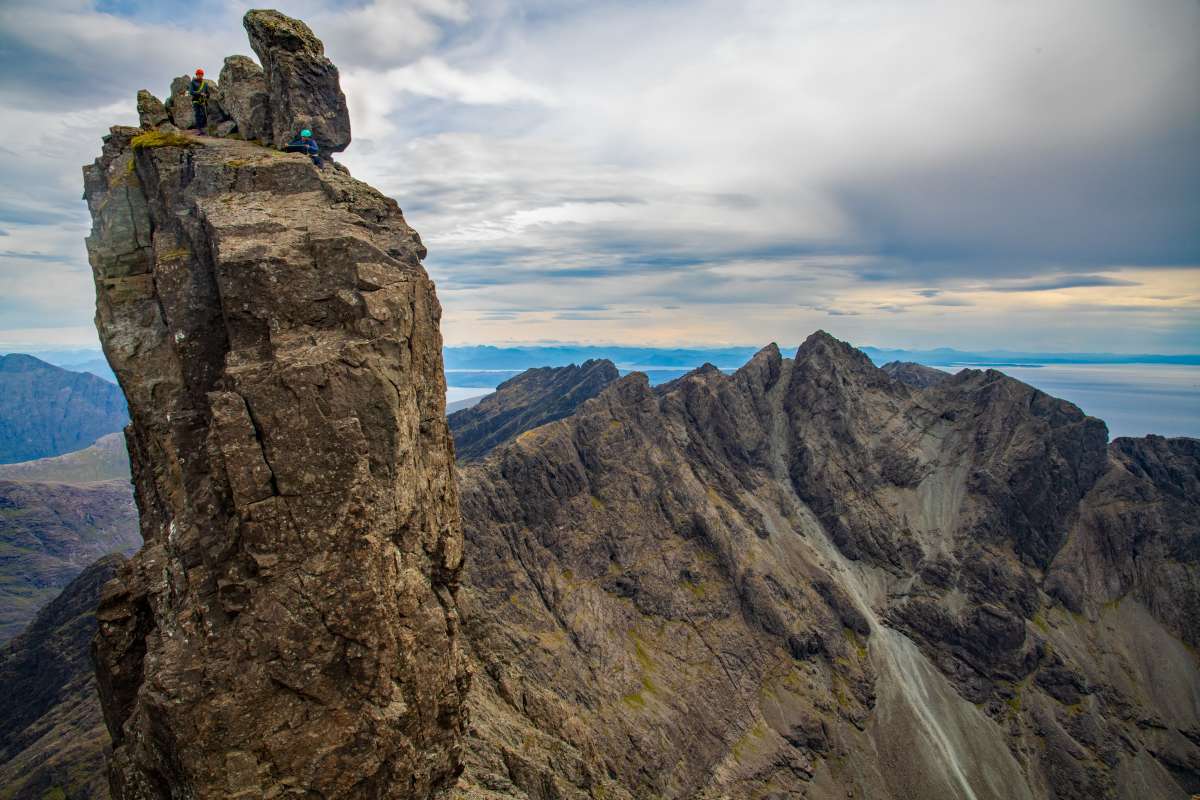
Sgurr Dearg is famous for the Inaccessible Pinnacle on its summit, a vertical rock tower requiring rock climbing skills. It's the only Munro that must be climbed rather than walked.

Key Mountain Facts & Map

Location & Map

Map showing location of Sgurr Dearg
Region:
Scotland, Highland
OS Grid Reference:
NG 444215

Weather & Conditions

Mountain weather can change rapidly and dramatically. Always check the forecast before setting out and be prepared for conditions to be significantly different at the summit compared to the base.

Weather Tips:

  • Summit temperatures are typically 5-10°C colder than valley floor
  • Wind chill can make it feel significantly colder
  • Visibility can drop to near zero in mist or cloud
  • Always carry waterproofs, warm layers, and emergency shelter
  • Be prepared to turn back if conditions deteriorate

Parking & Access

Plan your arrival early, especially on weekends and during peak season, as car parks fill quickly. Always check parking restrictions and fees before you travel.

Parking Tips:

  • Arrive before 9am on busy days to secure parking
  • Have coins/card ready for pay-and-display machines
  • Don't leave valuables visible in your vehicle
  • Park considerately and don't block access roads
  • Note your parking location for your return
Emergency: 999 or 112 (Ask for Police, then Mountain Rescue)

Safety Tips for Climbing Sgurr Dearg

Stay safe while climbing one of the mountains in the UK with these essential safety guidelines:

Weather Preparation

Always check weather forecasts before setting out. Mountain weather can change rapidly, and summit conditions are typically 5-10°C colder than valley floor with significant wind chill.

Essential Equipment

Carry maps, compass or GPS, water, food, first aid kit, whistle, torch, emergency shelter, and appropriate clothing layers including waterproofs.

Route Planning

Let someone know your route plan and expected return time. Stick to marked paths and be prepared to turn back if conditions deteriorate.

Emergency Contact

In case of emergency, dial 999 or 112 and ask for Police, then Mountain Rescue. Know your location using grid reference or GPS coordinates.

Reviews & Community Insights

Share your experience of climbing Sgurr Dearg!

Reviews and ratings coming soon.

Frequently Asked Questions About Sgurr Dearg

Is Sgurr Dearg one of the best mountains to climb UK?

Yes, Sgurr Dearg is considered one of the best mountains to climb in the UK thanks to its scenic routes, 986m elevation, and hard difficulty level, making it accessible to various skill levels.

What level of difficulty is Sgurr Dearg?

Sgurr Dearg has a difficulty rating of Hard. The mountain offers various routes suitable for different experience levels.

Where can I see Sgurr Dearg on a map?

You can view Sgurr Dearg on our interactive map showing its location in Scotland, Highland. The mountain is positioned at coordinates 57.2161°N, 6.2286°W, with detailed route maps and nearby geographical features.

Are there family-friendly routes on Sgurr Dearg?

Route suitability depends on experience level, weather conditions, and your group's capabilities. This mountain is generally recommended for experienced hikers. Always assess your group's abilities and check current conditions before setting out.

When is the best time to climb Sgurr Dearg?

The best season to climb Sgurr Dearg is Spring to Autumn. Weather conditions can vary significantly throughout the year, so always check the forecast before your visit and be prepared for changing mountain weather. Summit temperatures are typically 5-10°C colder than valley floor, and wind chill can make it feel significantly colder.